Permanent Make-up Wien
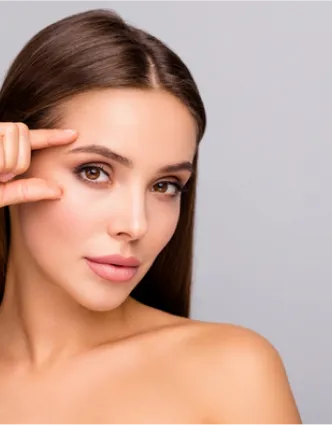
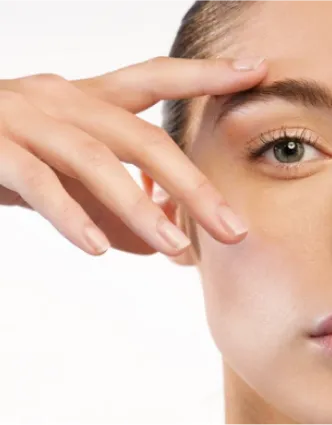
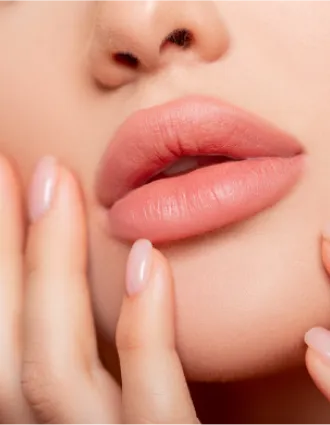
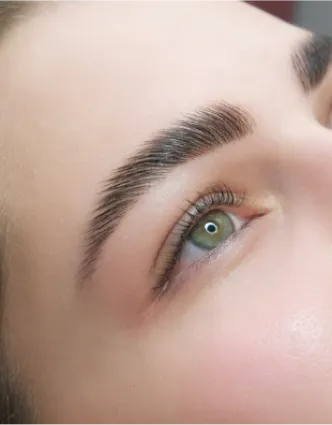
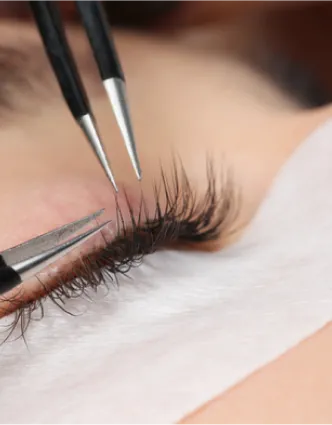
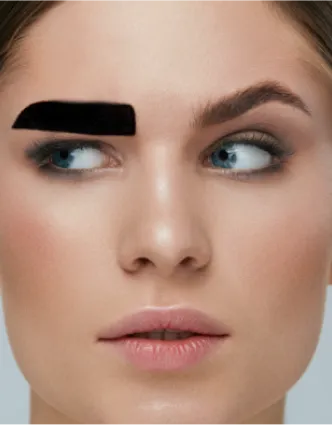
Permanent Make-up, auch bekannt als Mikropigmentierung oder Dauer-Make-up, ist eine beliebte kosmetische Behandlung in Wien. Diese Technik ermöglicht es, das Aussehen von Augenbrauen, Lippen und Eyeliner dauerhaft zu verbessern.
Wenn Sie auf der Suche nach einem erfahrenen Permanent Make-up Spezialisten in Wien sind, sind Sie bei uns genau richtig. Unsere professionellen Künstler verwenden hochwertige Pigmente und modernste Techniken, um natürliche und dauerhafte Ergebnisse zu erzielen.
Die Vorteile von Permanent Make-up in Wien sind vielfältig. Es spart Zeit beim täglichen Schminken und verleiht Ihnen ein gepflegtes Aussehen, ohne dass Sie sich Gedanken über verschmiertes Make-up machen müssen. Darüber hinaus ist Permanent Make-up besonders für Menschen geeignet, die unter Allergien oder empfindlicher Haut leiden.
Unser Studio in Wien bietet eine entspannte und professionelle Umgebung, in der Sie sich wohlfühlen werden. Wir beraten Sie gerne zu den verschiedenen Permanent Make-up Optionen und erstellen gemeinsam mit Ihnen ein individuelles Behandlungsplan, der zu Ihren Bedürfnissen passt.
Wenn Sie sich für Permanent Make-up in Wien interessieren, kontaktieren Sie uns noch heute, um einen Beratungstermin zu vereinbaren. Wir freuen uns darauf, Ihnen zu helfen, Ihre natürliche Schönheit zu betonen und Ihr Selbstbewusstsein zu steigern.
Besuchen Sie uns in Wien und entdecken Sie die Welt des Permanent Make-up. Wir stehen Ihnen gerne zur Verfügung!